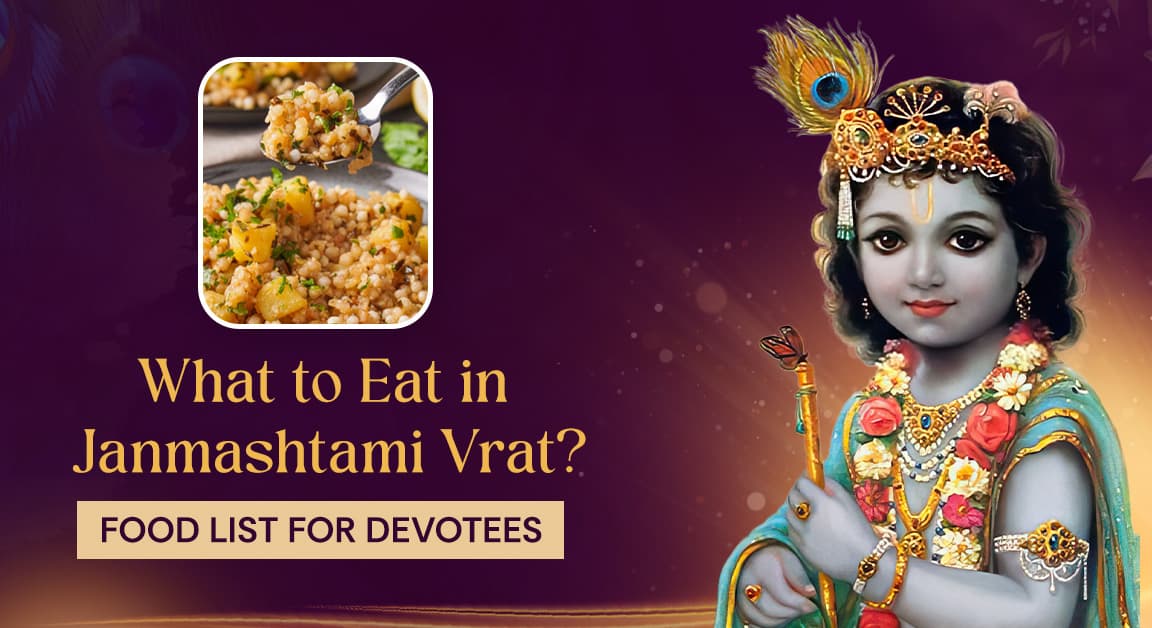

Fasting on Janmashtami often becomes more challenging when you are unsure which food items are actually allowed during the vrat. For many devotees, Shri Krishna Janmashtami is not just about abstaining from certain foods; it is about eating pure, sattvik food that is nourishing and permissible during the fast.
However, as fasting is a spiritual act of devotion and detoxification, it can lead to headaches, body fatigue, and acidity if it is not observed properly.
Whether you are fasting for the first time or are a seasoned devotee, this blog will help you understand the healthy foods allowed during Janmashtami vrat.
Janmashtami Vrat Food List: Foods Allowed in Janmashtami Vrat
1. Fruits & Dry Fruits
Janmashtami is a celebration of honoring the birth of Lord Krishna and is observed with devotion by millions of people. Moreover, to keep the vrat clean and pure, devotees can eat fresh fruits and dry fruits. These items are not only suitable during vrat but also serve as excellent sources of nutrition, containing healthy fats and fiber.
This helps the body maintain healthy sugar levels and makes them some of the best foods allowed in Janmashtami vrat.
Key Benefits:
- Quick and sustained energy
- Nutrient-dense and light
- Hydration and immunity support
2. Dairy Products and Sattvic Foods
Dairy products and other sattvic food items are the backbone of observing the Janmashtami fast with devotion and full energy. These items provide sustained energy and essential nutrients while maintaining a sense of lightness that helps devotees stay focused on kirtan, bhajan, and the midnight celebration.
Lord Krishna was very fond of makhan and had a deep love for milk, curd, butter, and ghee.
Key Benefits:
- High-quality protein and sustained energy
- Sattvic nature
- Easy digestion
3. Vrat-Friendly Flours, Grains, and Sabudana Dishes
Janmashtami vrat is not meant to leave anyone weak and hungry; it focuses on bringing purity and divinity to the mind and soul. While many devotees follow a strict phalahari diet, others may eat vrat-friendly flours and ingredients such as sabudana, rajgira, kuttu, or singhade ka atta. These foods provide complex carbohydrates and taste satisfying, helping devotees remain energetic and observe the vrat with positive energy.
Key Benefits:
- Fulfilling yet light
- Versatile and delicious
- Sattvic and digestion-friendly
4. Allowed Vegetables & Light Fasting Meals
During Janmashtami vrat, certain vegetables are considered light and suitable for fasting. These selected vegetables provide essential vitamins, minerals, fiber, and hydration while maintaining simplicity and ease of digestion. These Janmashtami fasting foods help prevent weakness and maintain steady energy levels without breaking the fast.
Moreover, boiled and vrat-friendly vegetables cooked with rock salt can be prepared as sabzis, chaats, or side dishes, helping you maintain your energy levels throughout the day.
Key Benefits:
- Natural vitamins and minerals
- High water content
- Easy to digest and rich in potassium
5. Healthy Drinks & Sweets for Janmashtami Fasting
Healthy drinks and light sweets made from natural ingredients play a very important role in Janmashtami vrat food. These items help devotees stay hydrated and refreshed without breaking the fast.
In addition, drinks and desserts made from cow’s milk, fruits, and dry fruits provide natural sugars and essential electrolytes that help maintain sattvik purity throughout the day. From coconut water to fresh buttermilk, these beverages help reduce fatigue and satisfy cravings while supporting long hours of fasting.
Key Benefits:
- Instant hydration and replenishment
- Provides natural sugars and electrolytes
- Rich in vitamins and minerals
Balanced Diet Plan for Janmashtami Vrat
Maintaining a balanced diet during Janmashtami vrat is very important to stay hydrated, energetic, and focused on devotion without experiencing headaches or weakness. This sattvik one-day meal plan consists of fruits, dry fruits, and vegetables.
Additionally, it provides a balanced combination of quick natural sugars, proteins, healthy fats, and minerals while keeping the diet pure.
- Provides steady energy throughout the day and night to support long hours of fasting and prayer.
- Balances quick sugar intake from fruits with slow-release carbohydrates and proteins from dairy products and sabudana.
- Provides proper hydration and electrolyte replenishment to help prevent dizziness and fatigue.
- Keeps meals light yet satisfying, reducing hunger while maintaining sattvik purity.
- Allows flexibility for strict phalahar while following the vrat rules.
- Supports spiritual growth by keeping the body comfortable and the mind calm.
Conclusion
By choosing the right fasting foods, such as dry fruits, fresh fruits, dairy products, sattvic sweets, and sabudana dishes, one can easily maintain high energy levels throughout Janmashtami vrat. Moreover, this balanced approach keeps the body light, the mind focused, and the spirit devoted.
Always remember that the essence of vrat lies in purity and love for Lord Shri Krishna. Eat Janmashtami fasting food mindfully, stay hydrated, and offer the first bite as bhog to the Divine.